Can I Just Paint Over Old Exterior Paint?
If your home outside walls looks faded, chalky, or patchy, it’s normal to wonder: Can I Just Paint Over the Old Exterior Paint and be done? The honest answer is: sometimes you can, but only if the surface is stable and properly prepared.
So, if you skip the prep, the new coat may peel, bubble, or look uneven—often within one season. In this guide, AA24 explains when painting over old paint works, when it fails, and what steps protect your finish for the long run. So, if you’re comparing House Painters or looking for reliable Exterior Painting Services, this will help you make the right call.
When Painting Over Old Exterior Paint is Usually OK?
You can often paint over existing paint if the current coating is:
- Clean and dry (no trapped moisture)
- Not peeling or flaking across large areas
- Not heavily cracked (no widespread “alligator” cracking)
- Firm and well bonded (it does not lift when scraped lightly)
- Not chalking badly (white powder rubbing off heavily on your hand)
In these cases, repainting is more about good cleaning, light sanding, and priming small problem spots. Many homes can be refreshed without stripping everything down to bare material—especially if the older finish is still holding.
When You Should NOT Paint Over Old Exterior Paint?
Painting over old paint becomes risky when the surface is failing. A new coat will not fix old paint that is already coming off. Here are common red flags:
1) Peeling, Flaking, or Blistering
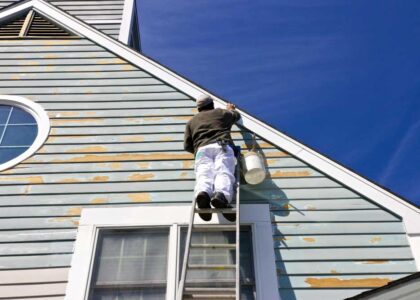
If your paint is lifting, bubbling, or shedding, painting on top will likely fail quickly. The new layer sticks to the weak old layer—not the wall—so everything can detach later.
2) Cracking or Alligatoring
Deep cracking creates lines that can show through the new coat and may continue to split.
3) Mold, Mildew, or Algae
You must treat and remove growth first. Otherwise, stains can bleed through and moisture problems may continue under the new film.
4) Rotten Wood or Damaged Siding
Paint cannot repair soft timber, swollen boards, or broken cladding. Those areas need repair or replacement first.
5) Possible Lead-Based Paint (Older Homes)
If your home was built before 1978 (common benchmark), old coatings may contain lead. Disturbing it through sanding or scraping requires safe methods. A qualified team can guide safe steps.
The Real Secret: Prep Work (Not the Paint Brand)
Most exterior paint failures come from poor surface preparation, not the paint itself. So, if you want your finish to last, these steps matter:
Step 1: Wash the Surface Thoroughly
Dirt, salt, soot, and chalky residue reduce adhesion. A proper wash (often with controlled pressure washing) helps the new coat grip.
Step 2: Scrape Loose Paint
Remove anything that is not firmly attached. A new layer cannot “glue down” loose edges.
Step 3: Sand for Smooth Transitions
Sanding feathers the edges so you don’t see ridges through the fresh coat. It also lightly dulls glossy surfaces so paint can bond.
Step 4: Repair and Fill
Patch small holes, seal gaps, and fix cracks with exterior-grade fillers and caulk. This step also improves curb appeal and reduces water entry.
Step 5: Prime Where Needed
Primer is not always required everywhere, but it’s critical on:
- Stained areas
- Repaired patches
- Metal with rust spots
- Bare wood or bare spots
- Chalky sections (after cleaning)
Step 6: Choose the Right Exterior Paint
Use quality exterior coatings designed for UV, rain, and temperature swings. The best product depends on your surface (timber, masonry, fiber cement, metal).
Will the New Paint Stick If I Don’t Prime?
Sometimes it will—temporarily. But without primer on problem areas, you may see:
- Uneven sheen (patchy look)
- Poor bonding over glossy or chalky surfaces
- Stains bleeding through
- Early peeling around scraped edges and repairs
If your goal is better durability and fewer repaints, priming the right areas is usually worth it.
DIY vs Hiring AA24: What Most Homeowners Miss?
DIY repainting can work for small, stable areas. But for full exterior projects, professional results often come from:
- Correct identification of paint failure causes (moisture, sun damage, poor old prep)
- Safer handling of older coatings
- Consistent coverage and clean-cut lines
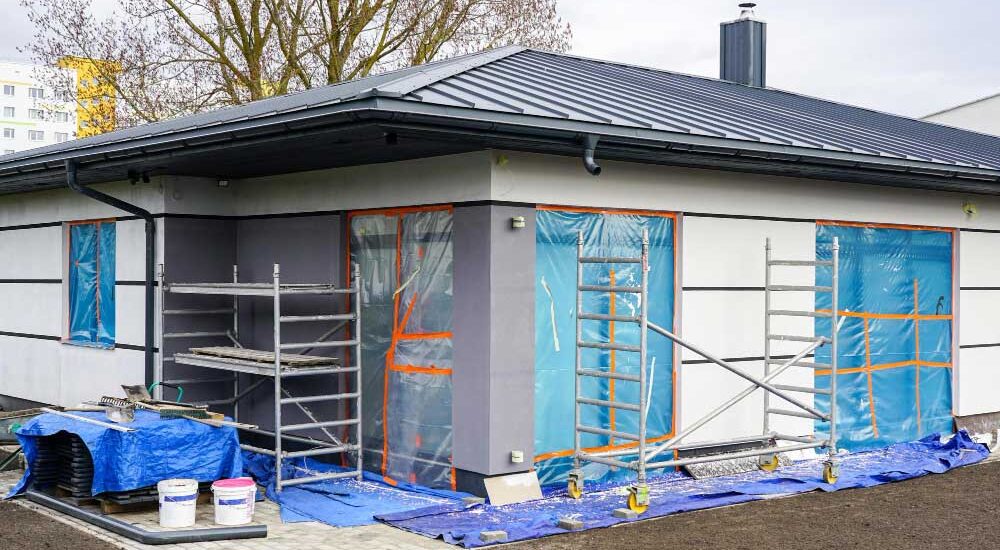
- Proper ladders/scaffolding and edge work
- Time-efficient completion with the right tools
If you’re comparing House Painters or searching Exterior Painting Services near you, look for teams that talk about preparation, repairs, and primer—not just two coats and done.
Final Takeaway
Yes, You Can Paint Over Old Exterior Paint—if the existing coating is stable and you do the correct preparation. If you see peeling, blistering, heavy chalking, or damage beneath the paint, the smarter move is to fix the surface first. That’s what protects your investment and keeps your home looking clean for years.
If you want AA24 to assess your current paint condition and recommend the best approach, our team can help you plan a long-lasting finish with professional Exterior Painting services delivered by trusted House Painters. So, contact us today by calling, emailing or filling our online form.
Call us: +642108801638
Email: aa24@gamil.com